A Natural Approach to Inflammation, Joint Health, and Whole Body Support
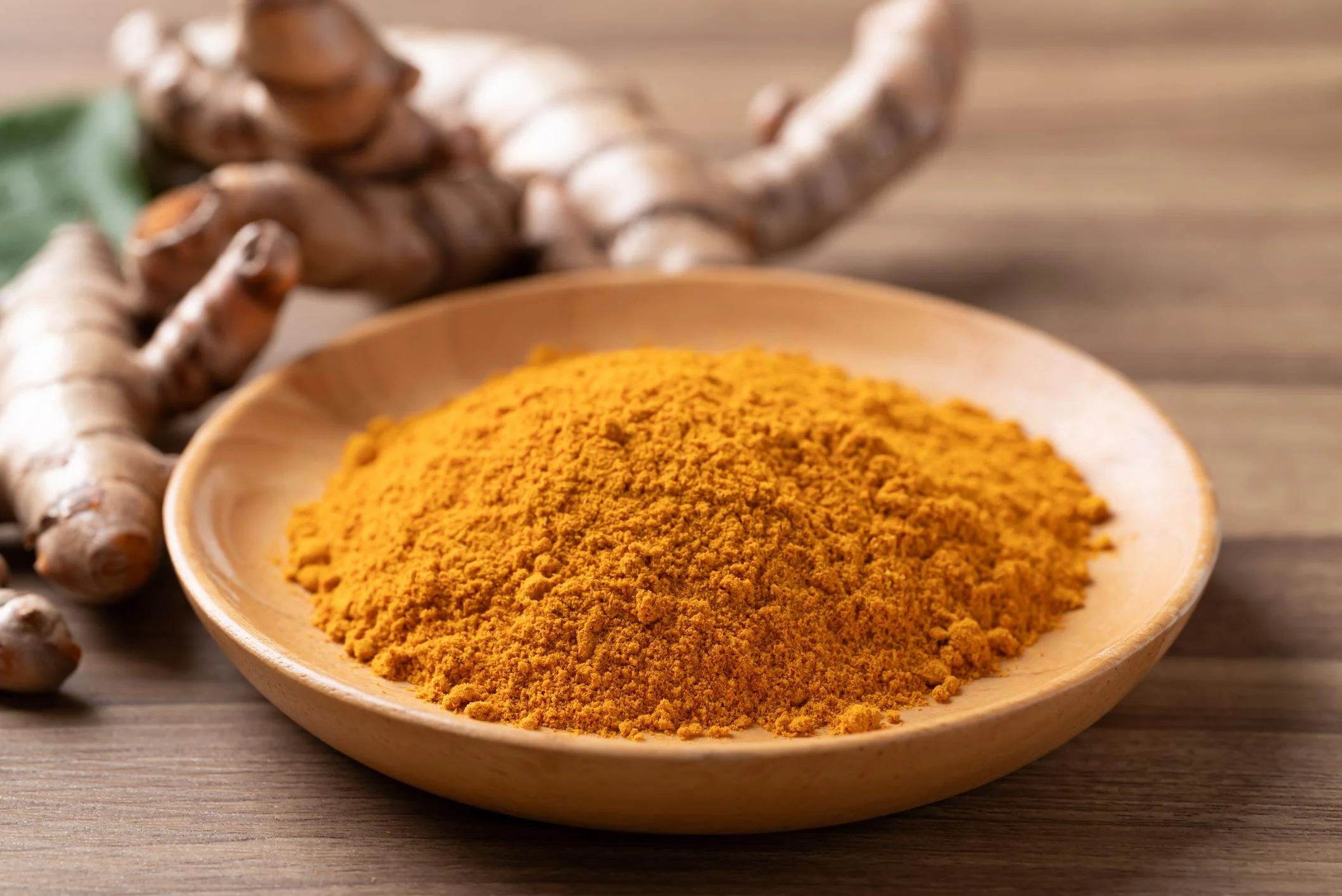
Turmeric is a vibrant golden spice that has been used for centuries in traditional medicine. Its active compound, curcumin, is responsible for many of its health benefits. Modern research continues to explore turmeric’s role in reducing inflammation, supporting joint health, protecting brain function, and promoting overall wellness.
While turmeric is commonly known as a kitchen spice, its therapeutic potential extends far beyond flavor.
The Power of Curcumin
Curcumin is the primary bioactive compound in turmeric. It has strong antioxidant and anti inflammatory properties. Chronic inflammation is linked to many common conditions, including joint pain, cardiovascular disease, metabolic dysfunction, and cognitive decline.
By helping regulate inflammatory pathways in the body, curcumin may support long term health and resilience.
Key Benefits of Turmeric
Supports Joint Health and Mobility
Turmeric is widely studied for its effects on joint pain and stiffness. It may help reduce inflammation in joints, making it a supportive option for individuals with osteoarthritis or general joint discomfort. Many people report improved mobility and reduced stiffness with consistent use.
Reduces Systemic Inflammation
Low grade chronic inflammation can silently impact overall health. Curcumin helps modulate inflammatory markers, potentially supporting cardiovascular health and metabolic balance.
Antioxidant Protection
Oxidative stress damages cells over time. Turmeric’s antioxidant properties help neutralize free radicals, protecting tissues and supporting healthy aging.
Brain and Cognitive Support
Curcumin may support brain health by influencing pathways involved in memory and mood regulation. Some research suggests it may play a role in protecting cognitive function as we age.
Digestive Health Support
Turmeric has traditionally been used to support digestion. It may help stimulate bile production and support gut health by reducing inflammation in the digestive tract.
Turmeric and Heart Health
Chronic inflammation and oxidative stress are key contributors to cardiovascular disease. By reducing inflammation and supporting healthy blood vessel function, turmeric may contribute to overall heart health as part of a balanced lifestyle.
Absorption Matters
Curcumin is not easily absorbed on its own. Many high quality supplements include black pepper extract, known as piperine, to enhance absorption. Consuming turmeric with healthy fats may also improve bioavailability.
Who May Benefit
Turmeric may be beneficial for individuals experiencing joint discomfort, inflammatory conditions, metabolic imbalance, or those seeking general antioxidant support. It can be used as part of a holistic health plan that includes nutrition, movement, and stress management.
Important Considerations
Although turmeric is generally well tolerated, high doses may not be appropriate for everyone. Individuals with gallbladder issues, those taking blood thinning medications, or preparing for surgery should consult a healthcare provider before supplementing.
Quality and formulation matter. Standardized extracts with clear curcumin content are often preferred for therapeutic use.
The Takeaway
Turmeric is more than a spice. Its active compound curcumin offers anti inflammatory, antioxidant, and supportive benefits for joint health, cognitive function, digestion, and overall wellness.
When incorporated into a balanced lifestyle, turmeric can be a powerful natural tool for long term health and vitality.